

Written by Gabriel Dionio and Marianne Pagaduan
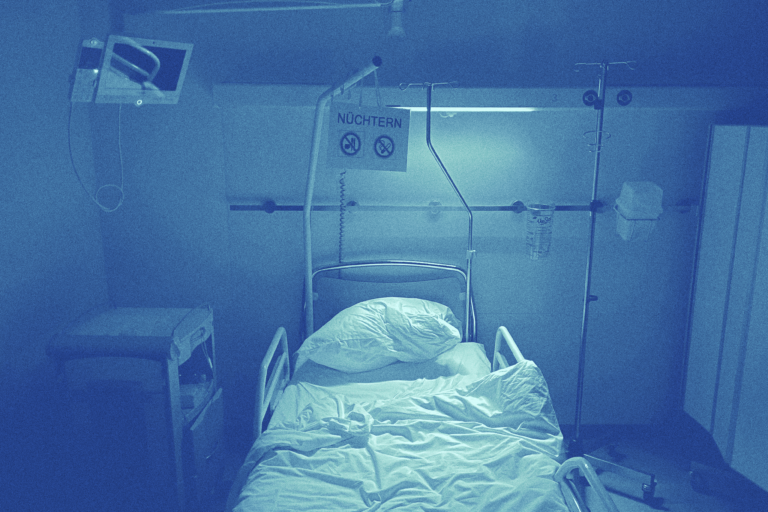
The Philippines is home to many persons with disabilities, commonly known as PWDs. Among those are the deaf, who are amongst the most marginalized due to communication barriers. Stop me if you’ve heard this before, but being a deaf person does not automatically equate to a disability. Even within the deaf community itself, there are differing groups depending on the level of hearing loss. This is more significant than one may believe, as the varying levels of hearing require different ways of communicating to interact with the hearing population. Some can rely on lip-reading or writing, but many use Filipino Sign Language as the main way of talking to the Filipino deaf.
The government has made a band-aid solution to this communication deficit in the form of an enacted law, the Republic Act No. 11106, otherwise known as the Filipino Sign Language Act or FSL Act, this law officially recognizes FSL as the national sign language of the Filipino Deaf community and mandates its use in government services, including healthcare. Section 8 of the said Act mandates that “State hospitals and all health facilities shall take steps to ensure access of the Filipino Deaf to health services, including the free provision of FSL interpreters and accessible materials upon request of Deaf patients, or individuals who have family members who are Deaf. As part of their corporate social responsibility, health facilities are encouraged to provide access to health services to all Deaf patients and their family members.” However, actual deaf aid is severely lacking in the Philippines, the actual implementation of the FSL law in the Medical field is not fully comprehended.
“A Phenomenological Study on the Use of Filipino Sign Language (FSL) pursuant to Republic Act No. 11106 in Medical Institutions in Metro Manila”
is a research made by the Multimedia Arts Student of De La Salle College of Saint Benilde, which studies into the implementation and importance, or lack thereof, placed onto the law following Section 8 of the law, or FSL in the health system. It delves into the real-life experiences of Deaf individuals navigating the healthcare system as well as examining how FSL is being implemented in various medical institutions in Metro Manila, as well the challenges of both Deaf patients and the hospitals, as well as the effectivity of the FSL Act in catering to deaf needs, such as free provision of sign language interpreters or accessible materials for the deaf, as stated by the law.
The findings of this research highlight an undermined problem within its current state in relation to the medical field, shedding light on the current needs of deaf patients when receiving treatment in hospitals. The paper also underscores attention to the lack of proper FSL training, policy reinforcement, and even a lack of the law’s awareness. As the country moves to becoming more inclusive, it is crucial that the healthcare system follows suit.